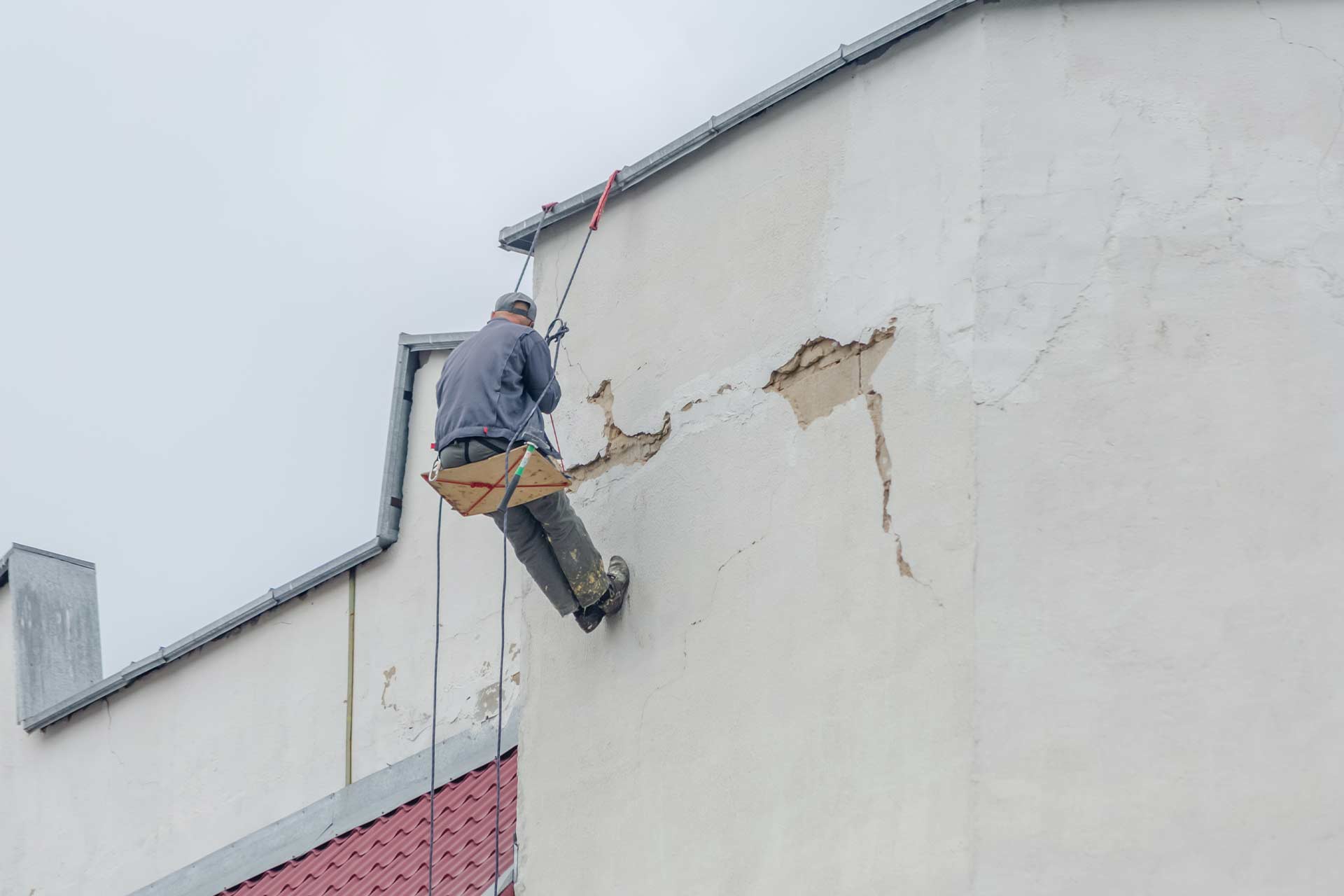
How to manage exterior wall cracks exterior wall fractures represent one of the most visible yet frequently misinterpreted pathologies in building envelope engineering. When a structural or non-structural skin develops linear fissures, property managers and asset stewards often view the manifestation through an isolated aesthetic lens, applying surface sealants or elastomeric paints in an attempt to erase the blemish. Yet, an exterior crack functions as a symptom of deeper mechanical, thermal, or chemical distress within the wall assembly. Unlocking the principles of how to manage exterior wall cracks requires moving past superficial cosmetic touch-ups to embrace a rigorous diagnostic framework that accounts for building physics, material compatibility, and differential structural movement.
Every building skin exists within an unyielding physical equilibrium governed by daily thermal expansion cycles, seasonal humidity shifts, and structural load adjustments. When differential stresses exceed the tensile or shear capacity of the cladding material—whether poured concrete, historic masonry, stucco, or exterior insulation and finish systems—fractures form to relieve internal strain. Left unaddressed, these fissures transform into primary pathways for wind-driven moisture ingress, setting off secondary degradation cascades including freeze-thaw spalling, corrosion of embedded steel reinforcing, and internal microbial growth. Developing an effective strategy for how to manage exterior wall cracks demands meticulous investigation, quantitative crack monitoring, and targeted engineering interventions tailored to the specific pathology of the substrate.
Understanding “how to manage exterior wall cracks”
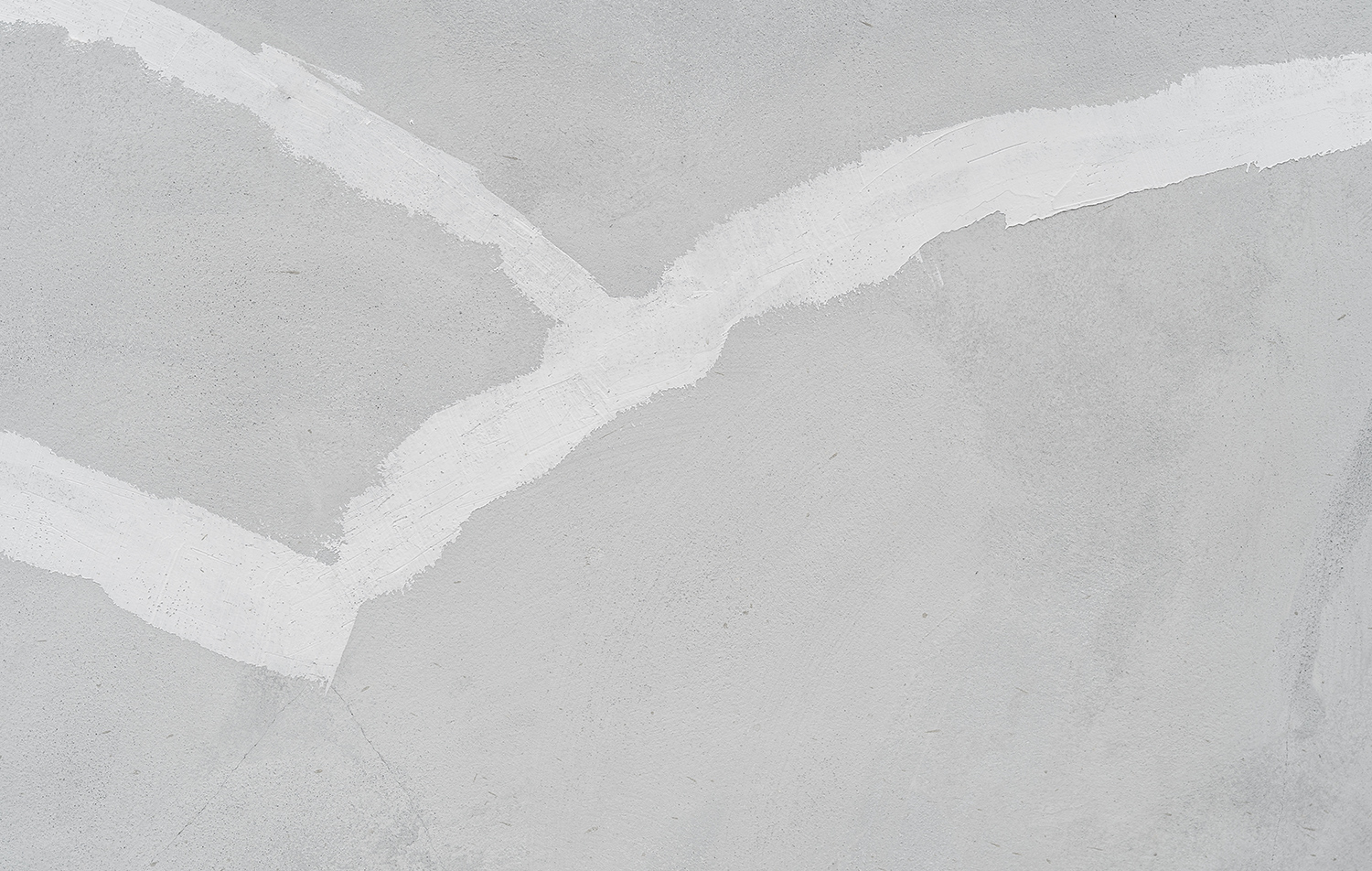 The phrase how to manage exterior wall cracks is frequently reduced in general maintenance contexts to mean applying a quick bead of caulk or troweling over a fissure with patching compound. In professional structural engineering and building pathology, mastering how to manage exterior wall cracks requires a multi-perspective investigation that distinguishes between active, moving structural fractures and static, non-structural shrinkage lines. No single repair method applies universally; a hairline shrinkage crack in a non-load-bearing stucco finish demands a completely different remediation protocol than a diagonal shear crack propagating through a load-bearing masonry pier.
Oversimplification in exterior crack management typically manifests as treating all fissures as dead, static surface flaws. Common misunderstandings involve the assumption that rigid epoxy injection is the correct remedy for every crack type. In reality, injecting rigid epoxy into an active crack that continues to experience thermal expansion or structural deflection simply forces the stress elsewhere, resulting in a new fracture forming immediately adjacent to the repair. True technical optimization requires long-term monitoring, movement classification, and material compatibility analysis before any physical remediation commences.
Deep Contextual Background: The Evolution of Structural Wall Skins
How to manage exterior wall cracks historically, traditional construction relied on mass-wall assemblies built from stone, fired brick, and lime mortar. These thick structures managed structural loads and volumetric changes through high mass, compressive strength, and inherent flexibility. Minor cracking in historic lime mortars or soft masonry units was often accommodated naturally by the breathability and slight plasticity of the wall system, allowing moisture to evaporate without inducing catastrophic structural distress.
The industrialization of construction shifted this paradigm toward skeletal frames clad in thin, rigid materials such as reinforced concrete, precast panels, curtain walls, and thin masonry veneers. These contemporary assemblies exhibit high tensile rigidity and disparate thermal expansion coefficients among adjacent materials. Consequently, when modern buildings settle, experience wind-induced sway, or undergo rapid solar heating, the resulting stresses concentrate locally rather than dispersing uniformly. Understanding this historical trajectory remains essential for anyone tasked with how to manage exterior wall cracks, as intervening on a 19th-century brick facade requires an entirely different methodology than repairing a 21st-century precast concrete high-rise.
Conceptual Frameworks and Mental Models for Crack Diagnostics
Analyzing exterior wall fissures requires structured mental models that prevent reactionary, premature repair decisions.
-
The Active vs. Static Movement Model: Every crack must first be classified by its behavioral nature. Static cracks have completed their movement cycle, whereas active cracks continue to open and close in response to seasonal temperature fluctuations or ongoing foundation settlement.
-
The Load Path and Deflection Hypothesis: Structural cracks often indicate underlying framing distress, such as lintel deflection over window openings or differential settlement in foundation soils. Repairing the cladding without correcting the underlying structural load path guarantees future failure.
-
The Moisture Ingress Vector Principle: Exterior cracks rarely exist in a dry vacuum. Evaluating how a fissure intersects with water-resistive barriers, flashings, and gravity drainage paths is essential to preventing hidden interior water damage.
-
The Material Compatibility Hierarchy: Repair mortars, sealants, and grouts must match or exceed the vapor permeability, elasticity, and compressive strength characteristics of the surrounding host substrate to avoid localized stress concentrations.
Key Categories, Variations, and Trade-Offs How To Manage Exterior Wall Cracks
Managing wall fissures spans multiple distinct technical methodologies, each addressing specific crack geometries, widths, and structural implications.
| Category | Primary Focus | Principal Advantages | Key Trade-Offs / Risks |
| Routing and Sealing (Moving Cracks) | Expanding linear cracks into a clean V-groove and installing high-performance elastomeric sealants with backer rod. | Accommodates ongoing thermal movement; prevents water entry while allowing joint flexibility. | Visible joint lines; periodic sealant replacement required every 5 to 10 years. |
| Low-Pressure Epoxy Injection (Static Structural) | Injecting structural-grade epoxy resin under low pressure into clean, dry structural concrete cracks. | Restores original monolithic tensile strength and load capacity of the concrete member. | Ineffective on wet or active cracks; irreversible process that locks in movement if misapplied. |
| Grout and Mortar Stitching (Masonry) | Installing stainless steel helical bars across masonry cracks embedded in high-strength restoration mortar. | Restores tensile strength across brick or stone veneers while retaining aesthetic mortar joints. | Labor-intensive; requires skilled masons to match historic mortar color and texture accurately. |
| Gravity-Fed Methacrylate Resins | Pouring low-viscosity monomer resins into fine, non-structural horizontal slab or wall cracks. | Deep capillary penetration seals microscopic hairline cracks against moisture and chloride intrusion. | Limited to horizontal or gently sloped surfaces; requires clean, dry substrate conditions. |
| Helical Tie Reinforcement Retrofits | Drilling and securing mechanical ties across structural separation fractures in cavity walls. | Stabilizes separating wythes or corner separations without disruptive teardown. | Specialized installation tooling required; must avoid cutting internal wall ties or reinforcing steel. |
| Flexible Coating / Elastomeric Bridging | Applying high-build elastomeric waterproof membranes over networks of micro-crazing or stucco cracks. | Bridges multiple hairline cracks simultaneously; provides continuous waterproof skin. | Can trap interior vapor if permeability is too low; masks underlying movement without fixing it. |
Strategic Decision Logic for Category Selection
When establishing protocols for how to manage exterior wall cracks, engineering consultants must weigh structural safety urgency against aesthetic and budget constraints. Structural cracks that compromise the load-bearing capacity of columns, spandrels, or lintels demand immediate stabilization and structural epoxy or mechanical stitching. Conversely, micro-crazing and hairline shrinkage cracking in non-structural coatings or stucco renders can often be managed through aesthetic recoating and elastomeric bridge-sealing after confirming that water penetration is not occurring.
Detailed Real-World Scenarios and Operational Constraints How To Manage Exterior Wall Cracks
High-Rise Concrete Spandrel Beam Shear Cracking
A 15-story reinforced concrete commercial building displays diagonal shear cracking originating from the corners of window openings in the exterior spandrel beams.
-
Constraints: Active office occupancy, high-rise swing-stage rigging logistics, strict urban pedestrian safety regulations.
-
Decision Points: Choosing between surface cosmetic patching versus structural epoxy pressure injection combined with carbon-fiber-reinforced polymer (CFRP) wrapping.
-
Failure Modes: Surface patching the cracks without addressing the underlying shear overload, leading to rust-jacking and recurrent structural spalling.
-
Second-Order Effects: Structural epoxy injection and CFRP reinforcement restore beam rigidity, preventing progressive deflection and protecting interior tenant spaces from water infiltration.
Historic Multi-Story Brick Masonry Settlement Fissures
An 1890s institutional brick building exhibits stepped diagonal cracking along the mortar joints running from the foundation up through the second-story window headers.
-
Constraints: Historic preservation board oversight, strict material matching requirements, delicate structural fabric.
-
Decision Points: Deciding between invasive structural underpinning of the foundation versus crack stitching with concealed stainless steel helical ties and lime repointing.
-
Failure Modes: Using rigid Portland cement mortar to point historic lime brick joints, causing intense localized compressive stress and masonry spalling during freeze-thaw cycles.
-
Second-Order Effects: Helical stitching stabilizes the masonry veneer structurally while preserving historical material authenticity and preventing water entry into the interior wall cavity.
Suburban Stucco Residential Exterior Crazing
A sprawling low-rise commercial office park finished in traditional three-coat stucco develops an extensive network of map-cracking and minor hairline fissures following seasonal dry spells.
-
Constraints: Low capital budget, occupied office spaces, necessity of maintaining professional corporate curb appeal.
-
Decision Points: Selecting between complete stucco removal and re-lath versus applying a breathable, high-build acrylic elastomeric coating system.
-
Failure Modes: Applying a non-breathable vapor barrier paint that traps moisture behind the stucco matrix, accelerating lath corrosion and delamination.
-
Second-Order Effects: Utilizing a vapor-permeable elastomeric coating bridges the hairline cracks while allowing internal wall moisture to escape safely, halting further degradation.
Planning, Cost, and Resource Dynamics
Executing a comprehensive crack management program requires accounting for hidden variables that routine visual inspections cannot uncover before scaffolding erection or diagnostic testing. Direct costs encompass specialized labor, structural engineering review, material procurement, and waste disposal. Indirect costs involve tenant disruption compensation, temporary scaffolding protection bridges, prolonged permitting timelines, and consulting fees for forensic engineers.
| Project Scope Tier | Typical Cost Range (Per Linear/Sq. Ft.) | Primary Cost Drivers | Expected Duration |
| Routine Crack Routing & Sealing | $8 – $25 per linear ft. | Crack cleaning, backer rod installation, elastomeric sealant application. | 1 to 4 weeks |
| Structural Epoxy & Grout Injection | $35 – $90 per linear ft. | Port placement, structural injection resin, surface grinding and finishing. | 2 to 6 weeks |
| Extensive Masonry Stitching & Overhaul | $100 – $300+ per sq. ft. | Helical bar installation, historic mortar matching, selective rebuilding, scaffolding. | 2 to 6 months |
Opportunity costs play a major role in commercial real estate asset management. Delaying proper crack remediation to save short-term operating capital frequently results in exponential cost escalation when minor moisture intrusion evolves into extensive structural timber rot, steel corrosion, or catastrophic mold remediation. Allocating a 15% to 25% contingency fund is standard industry practice for exterior crack remediation due to the frequency of concealed structural conditions discovered once surface coatings are stripped away.
Tools, Strategies, and Support Systems How To Manage Exterior Wall Cracks
Executing a successful exterior crack management plan relies on specialized diagnostic instrumentation and rigorous project management methodologies.
-
Mechanical Crack Monitors (Planimeters/Tell-Tales): Glass or plastic gauges mounted across active cracks to measure millimeter-scale movement over seasonal thermal cycles.
-
Ultrasonic Pulse Velocity Testing: Non-destructive testing equipment that measures the depth and internal integrity of concrete and masonry cracks.
-
Borescopes and Endoscopes: Flexible optical scopes inserted into wall fissures to inspect internal cavity conditions, masonry ties, and backup substrates.
-
Infrared Thermography: Detects concealed moisture paths and thermal bridging associated with exterior wall fractures.
-
Digital Moisture Meters & Data Loggers: Monitored over seasonal cycles to establish baseline hygrothermal performance before and after crack injection.
-
High-Precision Laser Leveling Tools: Tracks structural deflection and building settlement patterns contributing to exterior wall cracking.
-
Scaffolding and Rigging Engineering Plans: Ensures site safety and load distribution for multi-story urban projects where right-of-way permissions are mandatory.
Limits exist across all these systems. For example, crack monitors must remain undisturbed for at least a full annual cycle (summer to winter) to capture extreme thermal movement; short-term monitoring during stable weather seasons often produces false negatives regarding crack activity.
Risk Landscape and Failure Modes
The structural restoration sector carries substantial liability, stemming from structural failure, water intrusion litigation, and worksite safety hazards. Compounding risks occur when one trade inadvertently damages the work of another—such as an insulation contractor sealing over weep holes or a window installer puncturing a newly installed waterproofing membrane.
-
Water Entrapment Cascades: Injecting solid epoxy into a dynamic crack that also functions as a minor drainage path can redirect moisture toward interior finishes, causing hidden mold growth.
-
Rigid Repair on Flexible Substrates: Applying rigid cementitious patches over movement joints or active cracks in flexible panels creates immediate stress concentrations and secondary shattering.
-
Galvanic Corrosion in Anchors: Pairing dissimilar metals, such as standard steel repair pins with aluminum or historic iron structural elements, triggers rapid galvanic degradation.
-
Fall Protection and Rigging Failures: Working at height remains one of the highest-risk operations in construction; inadequate tie-offs or unengineered anchor points present catastrophic life-safety hazards.
Governance, Maintenance, and Long-Term Adaptation How To Manage Exterior Wall Cracks
A remediated exterior wall is not a permanent, maintenance-free asset; it requires a structured governance framework to preserve its functional life. Facility managers and property stewards must implement proactive inspection regimes rather than relying on reactive repairs.
Review cycles should align with seasonal shifts, particularly following extreme weather events such as heavy freeze-thaw cycles, prolonged heavy rainstorms, or seismic tremors. Maintenance logs must document every crack injection, sealant replacement, and structural repair to establish a verifiable lineage of care that assists future engineering evaluations and preserves asset valuation.
Measurement, Tracking, and Evaluation
Evaluating the success of a crack management initiative requires a blend of leading and lagging indicators, as well as qualitative and quantitative metrics.
-
Leading Indicators: Adherence to material manufacturer application specifications, passing core adhesion tests for injection resins, and maintaining rigorous quality control logs.
-
Lagging Indicators: Absence of interior water staining over successive rainy seasons, stable structural monitoring gauge readings, and successful resistance to weather-related degradation.
-
Quantitative Signals: Lowered interior relative humidity levels, zero movement on crack-monitor gauges over a 12-month cycle, and stable air-infiltration test results.
-
Qualitative Signals: Visual consistency of mortar repairs under raking light, lack of efflorescence recurrence, and smooth operational performance of adjacent fenestration assemblies.
Documentation Protocol Examples
-
The Comprehensive Crack Mapping Archive: High-resolution, gridded photographic and CAD-based mapping of every elevation before work commences, numbering and tracking individual crack lengths and widths.
-
Resin and Mortar Batch Log: Comprehensive record of epoxy batch numbers, mortar mix proportions, and sealant product data sheets archived for future matching.
-
Third-Party Testing Reports: Independent field test reports (such as ASTM standards for masonry bond strength and structural injection core samples) verifying repair efficacy.
Common Misconceptions and Oversimplifications How To Manage Exterior Wall Cracks
-
Myth: All exterior wall cracks can be permanently fixed with a standard tube of exterior acrylic caulk.
-
Correction: Acrylic caulk lacks the tensile elongation and movement capability required for active structural cracks, resulting in rapid adhesive failure and water re-entry.
-
-
Myth: Epoxy injection is always the best solution because it is stronger than concrete.
-
Correction: Injecting rigid epoxy into an active, moving crack creates a brittle wedge that forces the stress into adjacent weaker concrete, causing secondary cracking.
-
-
Myth: Hairline cracks do not require investigation because they are too small to let in significant water.
-
Correction: Capillary action draws moisture through microscopic hairline cracks, and ongoing freeze-thaw cycling rapidly widens small fissures into major structural defects.
-
-
Myth: Historic masonry cracks can be pointed up with modern high-strength Portland cement.
-
Correction: Portland cement is too rigid and impermeable for historic lime-mortar masonry, trapping moisture and causing the brick faces to spall off.
-
-
Myth: If a crack stops moving, it requires no further treatment other than cosmetic painting.
-
Correction: Even static cracks must be properly routed, cleaned, and sealed to prevent water infiltration and progressive weathering damage.
-
-
Myth: Exterior wall cracks are purely surface-level cosmetic issues caused by paint shrinkage.
-
Correction: Paint shrinkage creates micro-crazing, but linear structural fissures almost universally originate from internal mechanical stress, thermal movement, or foundation settlement.
-
Contextual Considerations in Structural Preservation and Modern Architecture
The ultimate success of any crack management strategy relies heavily on navigating the complex legal, energy, and building code frameworks governing property assets. Adhering to evolving structural safety standards, local municipal facade inspection ordinances (such as local law facade safety programs), and historical preservation benchmarks ensures that structural interventions respect both regulatory mandates and asset longevity. Balancing high-performance structural remediation with uncompromising material compatibility remains the defining challenge of master-level exterior wall maintenance engineering.
Conclusion How To Manage Exterior Wall Cracks
Managing exterior wall cracks is an exercise in applied building pathology, material science, and disciplined structural engineering. Treating building wall fissures as complex diagnostic indicators rather than superficial blemishes ensures that maintenance interventions address root mechanical and thermal causes rather than temporary symptoms. By adhering to rigorous diagnostic protocols, respecting material compatibility, and maintaining clear long-term monitoring regimes, property stewards can secure structural longevity, weather resistance, and sustained asset value across generations of use.
Leave a Reply