
How to reduce water damage cost water intrusion operates as one of the most financially corrosive forces affecting residential and commercial real estate assets. When a pipe ruptures, a roof assembly breaches, or groundwater overwhelms a subterranean drainage plane, the initial pooling of liquid is merely the opening phase of an expensive degradation cascade. Within hours, drywall wicks moisture, wooden subfloors swell and buckle, insulation loses its thermal resistance, and microbial spores begin germinating across organic substrates. Property owners frequently discover that the ultimate financial burden stems less from the raw volume of intruding water and more from the operational lag between the initial breach and the execution of professional mitigation protocols.
Controlling financial exposure during a moisture event requires moving past emergency reaction tactics into structured asset protection. Mastering how to reduce water damage cost demands an understanding of material saturation rates, psychrometric drying physics, and structural stabilization economics.
Understanding “how to reduce water damage cost”
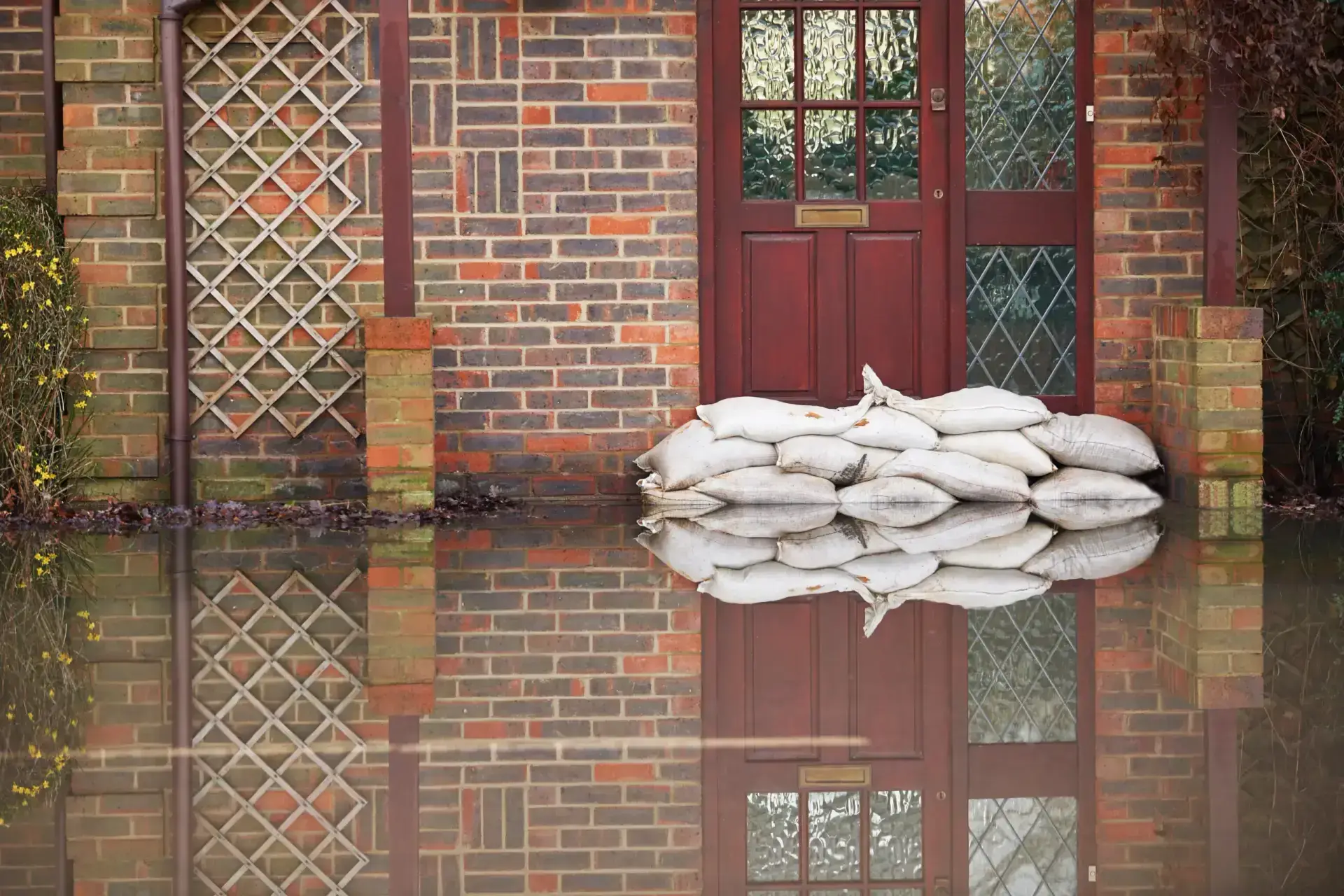 The phrase how to reduce water damage cost is frequently misinterpreted by property managers as hiring the lowest-bidding extraction crew or waiting to see if wet drywall will dry out on its own. In professional property management and forensic restoration, mastering how to reduce water damage cost requires recognizing that exponential cost multiplication occurs over time. A minor plumbing leak left unaddressed for forty-eight hours transforms a simple extraction and drying job into a structural tear-out involving mold containment, framing replacement, and finish reconstruction.
Deep Contextual Background: The Evolution of Restoration Economics
How to reduce water damage cost historically, building construction relied on heavy mass materials like lime plaster, thick timber framing, and stone foundations that tolerated seasonal wetting and drying cycles without catastrophic structural collapse. When water entered a historic building, excess moisture naturally migrated through vapor-permeable assemblies and evaporated slowly over time, requiring minimal active mechanical intervention.
The post-war introduction of lightweight synthetic materials, cellulose insulation, engineered wood products, and airtight interior finishes fundamentally shifted restoration economics. Modern buildings trap moisture efficiently, creating ideal microenvironments for rapid fungal proliferation and structural wood rot. Concurrently, the rise of specialized property insurance and professional drying standards transformed water mitigation into a complex technical science.
Conceptual Frameworks and Mental Models for Moisture Mitigation How To Reduce Water Damage Cost
Minimizing financial exposure during a water event requires structured mental models based on building physics and material science.
-
The Exponential Time-Damage Curve: Structural degradation and mold colonization do not scale linearly with time; they accelerate exponentially after the first twenty-four to forty-eight hours of saturation.
-
The Psychrometric Drying Window: Successful moisture extraction relies on creating an optimal vapor pressure differential between saturated structural materials and circulating air, driving bound moisture out of framing and drywall efficiently.
-
The Non-Destructive Preservation Hierarchy: Prioritizing targeted in-place drying of structural assemblies over blanket demolition saves thousands of dollars in reconstruction labor and materials.
-
The Hidden Vector Principle: Water travels laterally along gravity paths, vapor barriers, and subfloor channels, meaning the physical area of damage is almost always significantly larger than the initial surface puddle indicates.
Key Categories, Variations, and Trade-Offs
Water damage mitigation strategies span several distinct operational tiers, each balancing initial service expenditure against long-term rebuilding costs.
Strategic Decision Logic for Cost Reduction
When determining how to reduce water damage cost, restoration project managers must balance mitigation speed against replacement expenses. If water contamination is classified as clean supply line water and caught within twelve hours, investing heavily in rapid extraction and commercial dehumidification prevents thousands of dollars in material tear-out. Conversely, if category three sewage or prolonged greywater intrusion has saturated porous insulation for days, attempting to dry the material in place creates severe health liabilities, making immediate selective demolition the most financially responsible path.
Detailed Real-World Scenarios and Operational Constraints How To Reduce Water Damage Cost
High-Rise Luxury Condominium Supply Line Failure
A flexible supply line beneath a kitchen sink in the 12th-floor unit of a high-rise residential building ruptures while the owner is traveling, leaking water down through the 10th floor before being detected.
-
Constraints: Multiple multi-family units affected, strict elevator usage rules, homeowner association liability rules.
-
Decision Points: Deciding between deploying commercial drying crews immediately across all three floors versus waiting for insurance adjusters to inspect before starting extraction.
-
Failure Modes: Delaying water extraction for 48 hours waiting for adjuster sign-off, resulting in buckled engineered hardwood floors across three units and mold growth inside common-wall framing.
-
Second-Order Effects: Immediate emergency extraction and thermal imaging mapping launched within three hours stabilize the structure, saving hundreds of thousands of dollars in flooring replacement and multi-unit mold remediation claims.
Commercial Retail Center Sub-Grade Storm Infiltration
A heavy regional downpour overwhelms the perimeter drainage system of a subterranean strip mall retail store, sending two inches of storm water across the sales floor.
-
Constraints: Active commercial retail operations, inventory loss exposure, lease agreement timelines.
-
Decision Points: Choosing between closing the store for a week to execute a complete gut-rehab of drywall and flooring versus using containment barriers, anti-microbial treatments, and overnight structural drying fans.
-
Failure Modes: Painting over damp drywall baseboards to reopen the store quickly, trapping moisture behind shelving units and triggering a massive black mold outbreak a month later.
-
Second-Order Effects: Overnight extraction, targeted flood-cuts on lower drywall, and commercial dehumidifier deployment allow the store to reopen within 48 hours with minimal inventory write-offs and zero structural loss.
Suburban Residential Finished Basement Sewage Backup
A municipal sewer main blockage causes raw sewage to back up through the floor drains of a finished suburban basement, saturating wall-to-wall carpeting and drywall.
-
Constraints: Category three biohazard contamination, strict health and safety regulatory disposal rules, emotional stress of homeowners.
-
Decision Points: Attempting to steam-clean and salvage expensive carpet and padding versus mandatory disposal of all porous materials and professional sanitation.
-
Failure Modes: Attempting to sanitize and retain sewage-saturated porous carpet and carpet padding to save replacement costs, creating an extreme airborne pathogen and bacterial hazard.
-
Second-Order Effects: Immediate removal and biohazard disposal of all porous flooring and lower wall sections, followed by industrial disinfectant application, protects the occupants’ health while containing remediation expenses to strictly necessary scopes.
Planning, Cost, and Resource Dynamics
Executing water damage mitigation efficiently requires understanding the financial mechanics of restoration labor, equipment deployment, and material replacement. Direct costs encompass emergency call-out fees, extraction labor, equipment rental daily rates, and biocide applications. Indirect costs include temporary relocation housing, business interruption losses, and potential insurance premium spikes.
Opportunity costs play a major role in financial damage control. Delaying mitigation to haggle over insurance deductibles or minor line-item costs routinely multiplies total claim values. Allocating funds toward immediate, professional drying intervention represents the single most effective investment in reducing overall property recovery expenses.
Tools, Strategies, and Support Systems
Executing a cost-effective mitigation plan relies on specialized diagnostic instrumentation and psychrometric monitoring equipment.
-
Non-Invasive Capacitance Moisture Meters: Scans moisture levels behind tile, vinyl, and drywall without drilling holes, mapping the exact perimeter of water migration.
-
Pin-Type Resistance Moisture Meters: Measures exact moisture content percentages in wood framing and subfloors to verify when structural drying thresholds are reached.
-
Thermal Imaging (Infrared) Cameras: Detects temperature differentials caused by evaporative cooling in wet wall cavities, guiding technicians straight to hidden moisture pools.
-
Industrial LGR (Low Grain Refrigerant) Dehumidifiers: Removes moisture vapor from indoor air efficiently, maintaining the low relative humidity required to pull bound water out of building materials.
-
High-Velocity Air Movers: Directs high-volume laminar airflow across wet surfaces to accelerate evaporation rates during structural drying campaigns.
-
Hygrometers: Measures ambient temperature and relative humidity continuously to calculate vapor pressure differentials and track drying progress.
Limits exist across all these systems. For example, surface moisture meters can give false high readings on materials exposed to high ambient humidity even if the core material is dry; pin meters and thermal imaging must be used in tandem to verify actual subsurface saturation.
Risk Landscape and Failure Modes How To Reduce Water Damage Cost
The water restoration sector carries unique financial and structural liabilities. When property owners cut corners or delay professional intervention, compounding risks frequently lead to catastrophic loss amplification.
-
The Premature Decommissioning Trap: Turning off drying equipment prematurely because surfaces look dry, leaving moisture trapped inside structural studs and subfloor layers to rot silently.
-
Cross-Contamination of Clean Zones: Moving air movers from a category three sewage backup zone into unaffected living areas without containment, spreading aerosolized pathogens throughout the building.
-
Unmonitored Relative Humidity Spikes: Pumping water out of a carpet into the indoor air without adequate dehumidification capacity, causing secondary condensation damage to unaffected furniture and electronics.
-
Improper Chemical Mixing: Applying unapproved or over-concentrated biocides that degrade structural adhesives or release toxic fumes in enclosed residential spaces.
Governance, Maintenance, and Long-Term Adaptation
A property that has experienced water damage requires a structured governance framework to prevent recurrence and ensure that drainage and plumbing systems are adapted to eliminate future vulnerabilities. Property managers must establish proactive inspection routines rather than waiting for catastrophic pipe failures.
Review cycles should align with seasonal plumbing shifts, particularly before winter freeze events or heavy rainy seasons. Maintenance logs must document every valve replacement, appliance hose swap, and sump pump test to establish a verifiable history of asset care that satisfies insurance underwriters and prevents future loss claims.
Measurement, Tracking, and Evaluation How To Reduce Water Damage Cost
Evaluating the success of a water damage mitigation initiative requires a blend of leading and lagging indicators, as well as qualitative and quantitative metrics.
-
Leading Indicators: Immediate deployment of extraction units within 4-6 hours of loss, maintaining target relative humidity below 45% during drying, and daily psychrometric log updates.
-
Lagging Indicators: Achieving dry standard moisture readings in structural wood framing, zero post-mitigation mold spore growth, and successful final clearance testing.
-
Quantitative Signals: Rapidly dropping atmospheric humidity levels, declining daily moisture meter percentages across monitored surfaces, and minimal material demolition square footage.
-
Qualitative Signals: Absence of musty odors, clean visual inspection of structural framing, and smooth reconstruction readiness of interior wall cavities.
Documentation Protocol Examples
-
The Daily Psychrometric Log: Comprehensive tabular records tracking temperature, relative humidity, grains per pound (GPP), and moisture meter readings across all affected rooms.
-
Thermal Imaging Damage Map: High-resolution infrared photographs documenting the precise boundary of water migration before and after structural drying.
-
Moisture Certification Report: Final engineering or restoration documentation certifying that all affected structural assemblies have returned to normal dry standards prior to reconstruction.
Common Misconceptions and Oversimplifications
-
Myth: Household box fans and open windows are sufficient to dry out a flooded basement or wall cavity.
-
Correction: Standard fans only move air without removing moisture vapor; without commercial dehumidifiers and high-velocity psychrometric airflow, moisture remains trapped in framing and triggers mold.
-
-
Myth: If carpet feels dry on top after a water leak, the padding underneath is also completely dry.
-
Correction: Carpet padding acts like a sponge, holding water underneath impervious carpet backings long after the surface feels dry, requiring professional extraction or disposal.
-
-
Myth: Bleach kills mold on porous drywall and wood framing permanently.
-
Correction: Bleach has a high water content that sinks into porous materials while only bleaching the surface pigment of mold, leaving roots alive to regenerate behind the wall.
-
-
Myth: Water damage insurance claims will cover all costs regardless of how long repairs were delayed.
-
Correction: Insurance policies contain explicit duty-to-mitigate clauses; failing to take reasonable steps to extract water promptly can result in claim denials for resulting secondary damage.
-
-
Myth: Fresh water from a clean supply line cannot cause structural damage if left for a few days.
-
Correction: Clean supply water begins causing wood swelling, adhesive breakdown, and drywall degradation within twenty-four hours regardless of its initial cleanliness.
-
-
Myth: Freshly painted walls over damp drywall mean the repair is successfully completed.
-
Correction: Painting over damp materials seals moisture inside the wall cavity, guaranteeing severe blistering, peeling, and hidden mold proliferation.
-
Contextual Considerations in Insurance Claims and Asset Valuation How To Reduce Water Damage Cost
The ultimate success of any water damage mitigation strategy relies heavily on navigating the complex legal, insurance, and property valuation frameworks governing real estate assets. Adhering to rigorous documentation protocols, IICRC (Institute of Inspection Cleaning and Restoration Certification) standards, and policy compliance benchmarks ensures that recovery expenditures are fully indemnified while protecting long-term asset equity. Balancing rapid physical stabilization with meticulous financial record-keeping remains the defining challenge of professional property damage management.
Conclusion
Minimizing financial loss during a moisture intrusion event requires an uncompromising commitment to rapid response, psychrometric science, and precise structural drying protocols. Understanding how to reduce water damage cost depends on recognizing that time is the primary multiplier of restoration expense; delaying extraction transforms minor moisture events into major structural overhauls. By prioritizing immediate water extraction, targeted non-destructive drying, rigorous moisture mapping, and proactive plumbing governance, property owners can protect structural integrity, safeguard indoor environments, and preserve long-term asset value.
Leave a Reply