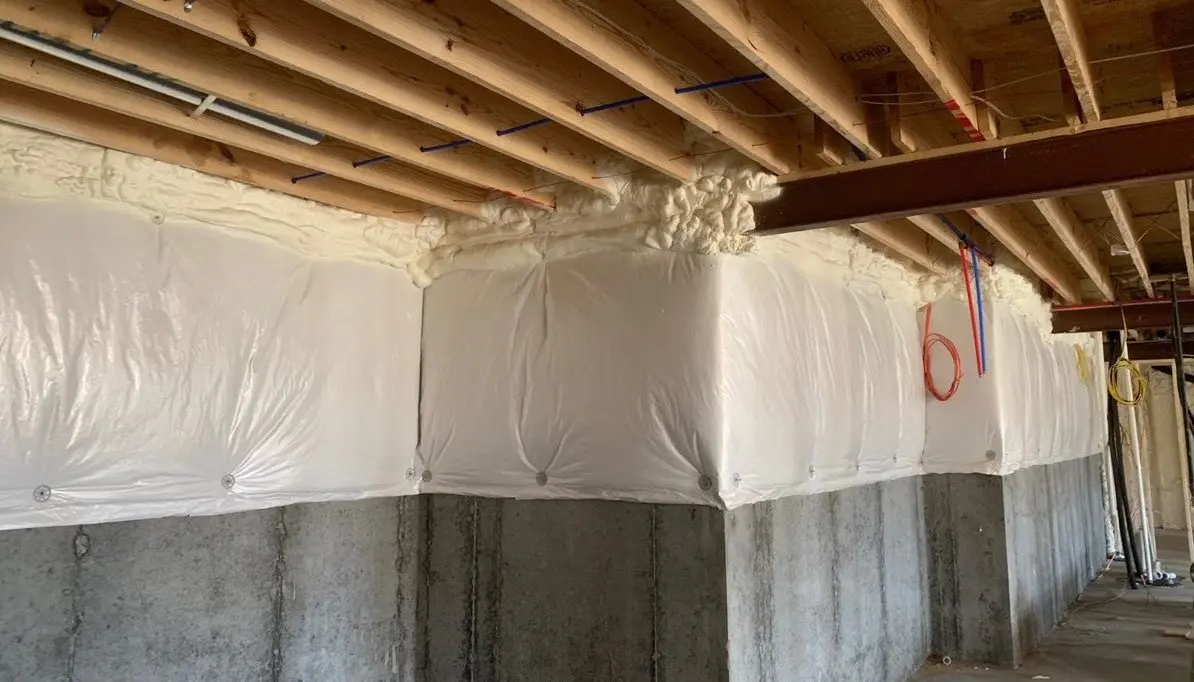
How to manage moisture intrusion water infiltration represents an unremitting chemical and physical assault on structural envelopes, quietly eroding the service life of commercial towers, residential foundations, and institutional facilities alike. Liquid water, capillary moisture, and airborne vapor move continuously along thermal and pressure gradients, seeking out vulnerable joints, porous masonry, and unsealed penetrations. When these invisible vectors breach the primary defense line of a building skin, the resulting degradation process operates as a slow-motion catastrophe, compromising indoor air quality, rotting framing elements, and degrading structural steel before visible surface symptoms ever emerge.
Navigating this perpetual challenge requires moving past reactive patchwork repairs into holistic building envelope control. Mastering how to manage moisture intrusion demands a rigorous understanding of hygrothermal dynamics, continuous drainage plane engineering, and psychrometric balance. Every unmanaged vapor drive or poorly detailed flashing transition multiplies long-term operational liabilities. This article provides a definitive, engineering-grade reference examining the diagnostic frameworks, material science principles, and operational strategies necessary to maintain a dry, structurally resilient building envelope.
Understanding “how to manage moisture intrusion”
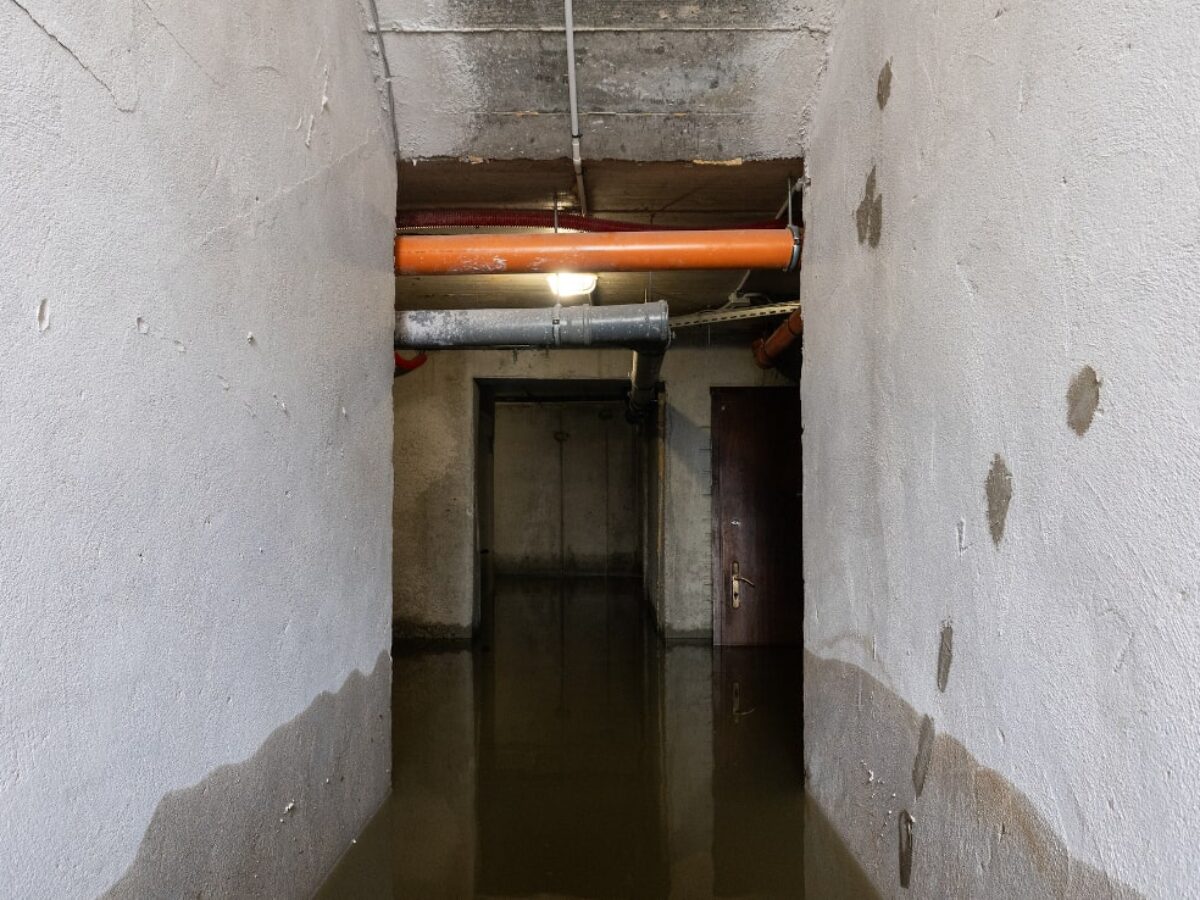 The phrase how to manage moisture intrusion is frequently reduced in general facility management circles to mean applying exterior paint or installing a simple household dehumidifier. In professional building science and forensic architecture, mastering how to manage moisture intrusion requires analyzing the complex interplay among air leakage, bulk water movement, capillary suction, and vapor diffusion. No single building material or membrane can stop moisture entirely on its own; true envelope protection relies on integrated systems that anticipate how water travels under dynamic wind, thermal, and hydrostatic forces.
Oversimplification in moisture management typically manifests as the belief that sealing a building airtight solves all environmental water threats. In reality, hyper-tightening a building envelope without managing interior humidity and vapor permeance traps moisture indoors, fueling severe interstitial condensation and hidden mold growth within wall cavities. True technical expertise requires understanding how air barriers and vapor retarders work in tandem to regulate moisture flow across different climate zones without creating unintended moisture traps.
Deep Contextual Background: The Evolution of Envelope Physics
How to manage moisture intrusion historically, buildings operated on high-mass, vapor-permeable principles. Thick stone, brick, and heavy timber walls absorbed wind-driven rain and ground moisture during wet seasons and subsequently released that moisture through natural solar drying and vapor diffusion. Because these traditional structures lacked artificial insulation and complex interior mechanical ventilation systems, they tolerated cyclical wetting without catastrophic material breakdown.
The modern architectural push toward energy efficiency, high-performance insulation, lightweight composite panels, and conditioned subterranean spaces transformed building physics entirely. Contemporary buildings are tightly sealed thermos bottles that trap thermal energy efficiently, but they also trap moisture vapor with equal effectiveness. This shift made moisture management an urgent discipline. Understanding this evolution is vital for anyone evaluating how to manage moisture intrusion, as modern synthetic structures demand precise hygrothermal engineering that historical mass walls never required.
Conceptual Frameworks and Mental Models for Moisture Control How To Manage Moisture Intrusion
Effective moisture mitigation requires structured mental models rooted in building science and thermodynamics.
-
The Four-Sided Moisture Defense Matrix: Every exterior envelope must manage four distinct water mechanisms: bulk water (rain and groundwater), capillary water (ground suction), air-transported moisture, and vapor diffusion.
-
The Dew Point Boundary Principle: Warm interior air holding moisture will condense into liquid water the moment it reaches its dew point temperature inside a cold wall cavity, requiring strategic placement of vapor retarders.
-
The Rainscreen Drainage Hierarchy: Exterior cladding will always permit some water penetration; safe performance requires a continuous drainage cavity and secondary water-resistive barrier to guide water safely down and out of the wall.
-
The Permeance Gradient Rule: Building materials should generally become more vapor-open from the interior to the exterior, allowing any accidental moisture within the wall assembly to dry toward the outside.
Key Categories, Variations, and Trade-Offs
Moisture management strategies span several distinct operational categories, each balancing initial installation complexity against long-term envelope resilience.
Strategic Decision Logic for System Selection
When designing or retrofitting an exterior envelope, engineers must align moisture management strategies with local climate data and hydrogeological site conditions. Facilities located in cold northern climates require careful vapor retarder placement on the warm interior side of insulation to prevent winter condensation. Conversely, hot and humid southern climates experience severe inward vapor drives, requiring vapor-permeable exterior barriers and smart interior assemblies that prevent solar-driven moisture from condensing on cool air-conditioned interior drywall.
Detailed Real-World Scenarios and Operational Constraints How To Manage Moisture Intrusion
High-Rise Commercial Curtain Wall Interstitial Condensation
A multi-story office tower experiences mysterious water staining and drywall degradation on interior perimeter walls during deep winter freezes, despite zero roof leaks.
-
Constraints: High-rise urban location, active tenant occupancy, complex aluminum mullion framing geometry.
-
Decision Points: Choosing between tearing down interior drywall to install supplementary insulation versus injecting specialized polyurethane foam into exterior mullion cavities to stop air leakage.
-
Failure Modes: Applying interior silicone sealants over drywall stains without addressing the underlying convective air leakage through unsealed floor slab edges, allowing warm interior air to continue condensing inside the cold mullion frame.
-
Second-Order Effects: Installing continuous interior air-barrier gaskets and pressure-equalized perimeter seals stops convective air movement, successfully eliminating winter condensation and preserving structural steel framing.
Subterranean Institutional Archive Water Vapor Saturation
A university subterranean rare book library experiences musty odors and accelerated paper fiber degradation due to high relative humidity and vapor transmission through un-waterproofed concrete walls.
-
Constraints: Invaluable historical paper collections, strict microclimate preservation standards, lack of exterior excavation access.
-
Decision Points: Deciding between attempting exterior soil excavation to install waterproofing versus building an interior decoupled stud wall with a dedicated humidity-controlled cavity and negative-side vapor management.
-
Failure Modes: Applying standard latex paint directly to the interior concrete walls to lock in moisture, causing the paint to blister and peel within months while mold thrives behind the damp masonry.
-
Second-Order Effects: Installing an interior decoupled vapor-management system with continuous dehumidification and sealed drainage channels maintains a stable 50% relative humidity, protecting the historical archive permanently.
Coastal Resort EIFS Stucco Moisture Entrapment
A coastal resort finished with exterior insulation and finish systems (EIFS) develops severe wood-stud rot and substrate failure around second-story window head assemblies following a tropical storm.
-
Constraints: High salt-spray corrosion environment, intensive guest occupancy schedules, strict aesthetic continuity requirements.
-
Decision Points: Deciding between localized window flashing patchwork versus stripping the EIFS off the entire windward elevation to install a proper drainage-type rainscreen system.
-
Failure Modes: Injecting spray foam into window gaps without installing sloped through-wall flashings and end dams, trapping intruding wind-driven rain inside the wood stud cavity.
-
Second-Order Effects: Stripping the compromised EIFS panels, replacing rotted structural studs, and installing code-compliant sloped flashing pans with drainage weep tracks permanently resolves the moisture ingress vector.
Planning, Cost, and Resource Dynamics
Executing a comprehensive moisture management plan requires accounting for hidden variables that routine architectural walkthroughs cannot uncover before opening wall cavities. Direct costs encompass specialized waterproofing membranes, drainage boards, air-barrier tapes, and certified installation labor. Indirect costs involve structural shoring, tenant relocation during major overhauls, and mold remediation protocols.
Opportunity costs play a major role in property asset management. Deferring moisture control maintenance to protect short-term operating capital frequently results in exponential financial escalation when hidden water intrusion triggers structural wood rot, interior mold litigation, or foundation settlement. Allocating a 15% to 25% contingency fund remains standard industry practice for exterior envelope projects due to the high frequency of concealed structural defects discovered once cladding or soil is removed.
Tools, Strategies, and Support Systems
Executing a successful moisture management strategy relies on specialized diagnostic instrumentation and continuous monitoring systems.
-
Non-Invasive Capacitance Moisture Meters: Scans subsurface moisture levels behind tile, drywall, and wood framing without drilling holes or damaging finishes.
-
Pin-Type Resistance Meters: Measures exact moisture content percentages in timber studs and structural lumber to determine rot vulnerability.
-
Infrared Thermography Cameras: Detects thermal anomalies caused by evaporative cooling and moisture accumulation behind building envelopes.
-
Aero-Barrier and Air-Infiltration Test Rigs: Pressurizes buildings to locate hidden air leakage paths that drive convective moisture transport.
-
Continuous Relative Humidity (RH) Data Loggers: Deployed inside wall cavities and crawlspaces to track daily moisture fluctuations and condensation risks over seasonal cycles.
-
Borescopes and Fiber-Optic Scopes: Inspected through small drill holes to view internal drainage cavity conditions without destructive teardowns.
Limits exist across all these systems. For example, infrared cameras require adequate temperature differentials between interior and exterior environments to display accurate thermal signatures; overcast days with matching indoor and exterior temperatures can produce false negatives.
Risk Landscape and Failure Modes How To Manage Moisture Intrusion
The building envelope sector carries substantial liability, stemming from structural corrosion, toxic mold litigation, and premature material degradation. Compounding risks occur when one trade inadvertently compromises the moisture barrier of another—such as an electrician piercing a water-resistive barrier to run exterior lighting conduit.
-
The Vapor Trap Consequence: Installing impermeable vinyl wallpaper or foil-backed insulation on the wrong side of an exterior wall in a cold climate, causing winter indoor humidity to condense and rot the framing.
-
Unsealed Penetration Cascades: Neglecting to flash window heads, door sills, and pipe penetrations properly, allowing bulk rainwater to stream directly into insulation cavities.
-
Incompatible Material Interactions: Pairing asphalt-based flashing tapes with certain synthetic rubber membranes that degrade and dissolve when exposed to chemical plasticizers.
-
Weep Hole Blockage: Sealing over weep holes during masonry repointing or landscaping installations, turning a designed cavity drainage wall into an internal swimming pool.
Governance, Maintenance, and Long-Term Adaptation
A weather-resistant building envelope is not a permanent, maintenance-free asset; it requires a structured governance framework to preserve its functional life. Facility managers and property stewards must implement proactive inspection regimes rather than relying on reactive tenant leak complaints.
Review cycles should align with seasonal shifts, particularly following severe weather events such as intense wind-driven rainstorms or rapid freeze-thaw cycles. Maintenance logs must document every sealant replacement, window gasket check, and sump pump test to establish a verifiable lineage of care that assists future engineering evaluations and preserves asset valuation.
Measurement, Tracking, and Evaluation How To Manage Moisture Intrusion
Evaluating the success of a moisture management initiative requires a blend of leading and lagging indicators, as well as qualitative and quantitative metrics.
-
Leading Indicators: Adherence to manufacturer installation specifications, passing air-barrier pressurization test reports, and maintaining strict quality control checklists during flashing erection.
-
Lagging Indicators: Absence of interior water staining over successive rainy seasons, stable structural monitoring gauge readings, and zero evidence of efflorescence or timber rot.
-
Quantitative Signals: Stable indoor relative humidity levels between 30% and 50%, declining sump pump run times, and zero anomalous moisture meter spikes in wall cavities.
-
Qualitative Signals: Clean, musty-free indoor air quality, uniform aesthetic appearance of exterior facades under raking light, and smooth operational performance of operable windows and doors.
Documentation Protocol Examples
-
The Comprehensive Air-Barrier and Flashing Log: High-resolution photographic records tracking the installation, lapping, and sealing of every flashing detail and water-resistive barrier sheet.
-
Blower-Door and Air-Infiltration Test Certification: Independent engineering test reports certifying that the building envelope meets or exceeds target air-tightness standards.
-
Sub-Surface Moisture Monitoring Database: Continuous sensor data logs tracking relative humidity and temperature inside critical wall cavities over annual seasonal cycles.
Common Misconceptions and Oversimplifications
-
Myth: Waterproofing and damp-proofing represent the same level of moisture and vapor protection.
-
Correction: Damp-proofing only resists soil moisture vapor and minor dampness, whereas true waterproofing is engineered to withstand standing water and active hydrostatic pressure heads.
-
-
Myth: Exterior cladding panels are completely watertight and prevent all rainwater from entering the building.
-
Correction: Most modern exterior claddings act as rainscreens designed to shed the majority of water while relying on a continuous internal drainage plane to manage moisture that penetrates outer joints.
-
-
Myth: Opening windows regularly is sufficient to manage deep structural moisture intrusion issues.
-
Correction: Natural ventilation only addresses surface indoor humidity; it cannot dry out moisture trapped inside enclosed wall cavities, insulation, or subfloors.
-
-
Myth: Polyethylene plastic sheeting installed on interior walls is universally beneficial in all climate zones.
-
Correction: Heavy interior vapor barriers in hot, humid climates trap inward summer vapor drives, causing severe condensation and mold growth behind drywall.
-
-
Myth: Caulking over visible exterior cracks solves water intrusion permanently.
-
Correction: Surface caulking cannot accommodate ongoing structural settlement or thermal expansion; without addressing underlying drainage and movement, sealants will shear and fail.
-
-
Myth: If a building feels warm and dry inside during summer, moisture management has succeeded.
-
Correction: High interior air conditioning loads can hide severe interstitial moisture accumulation and hidden mold growth occurring unnoticed inside exterior wall cavities.
-
Contextual Considerations in Building Codes and Material Ethics How To Manage Moisture Intrusion
The ultimate success of any moisture management strategy relies heavily on navigating the complex legal, energy, and building code frameworks governing real estate assets. Adhering to evolving structural safety standards, local municipal drainage ordinances, and stringent energy efficiency codes ensures that engineering interventions respect both regulatory mandates and asset longevity. Balancing high-performance energy conservation with uncompromising moisture vapor permeability remains the defining challenge of master-level building envelope engineering.
Conclusion
Managing exterior envelope integrity and learning how to manage moisture intrusion requires an uncompromising commitment to building science, thermal dynamics, and rigorous field quality control. Treating building skins as dynamic, integrated systems rather than static protective covers ensures that maintenance interventions address root hygrothermal causes rather than temporary surface symptoms. By prioritizing continuous air barriers, robust rainscreen drainage planes, precise vapor retarder placement, and long-term monitoring regimes, property stewards can secure structural longevity, indoor environmental health, and sustained asset value across generations of use.
Leave a Reply